

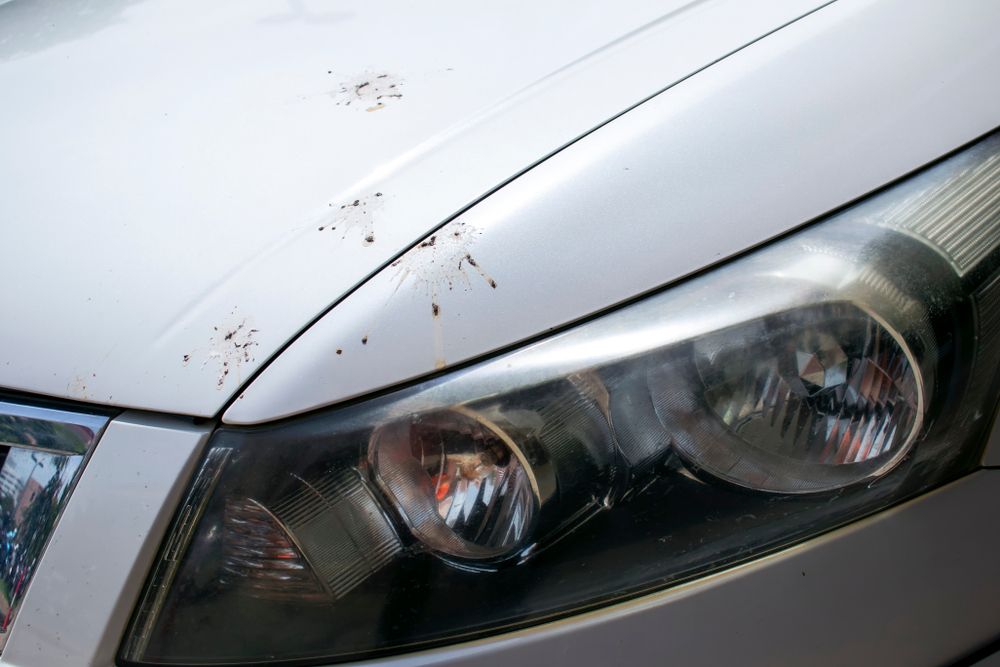
Driving around Wood Dale means your vehicle faces more than everyday road dust. Winter road salt, spring rain, summer grime, and fall debris can all build up on exterior surfaces and underneath the vehicle. That seasonal cycle makes consistent cleaning an important part of protecting your car throughout the year.
Quick answer: Protecting your car from salt, dirt, and seasonal wear in Wood Dale, IL starts with washing it regularly, paying attention to the underbody and other areas where road residue collects, and adjusting your routine as conditions change. Winter salt should not be allowed to remain on the vehicle longer than necessary, while spring and summer cleaning helps remove the grime, pollen, dust, insects, and other contaminants that accumulate during local driving.
What Wood Dale drivers should know
-
Winter road salt and deicing residue can collect on lower body panels, wheel areas, and the underbody.
-
Driving throughout DuPage County can expose vehicles to changing road conditions as snow, slush, rain, and dry weather cycle through the seasons.
-
A car can look relatively clean from a distance while still carrying significant grime underneath.
-
Regular car washing is generally easier than allowing several weeks or months of seasonal buildup to accumulate.
-
Your cleaning routine should change with the weather rather than staying exactly the same throughout the year.
Why Does Seasonal Car Care Matter in Wood Dale?
Seasonal car care matters in Wood Dale because vehicles experience a repeating combination of winter salt, moisture, road grime, warmer-weather contaminants, and falling debris throughout the year. Removing those materials regularly helps keep exterior surfaces cleaner and reduces the amount of residue that remains on areas exposed to the road.
Wood Dale sits in DuPage County near communities such as Itasca, Bensenville, Addison, and Elk Grove Village. Local drivers also have easy access to major routes and busy areas around O’Hare International Airport. Whether you are commuting, running errands, or regularly traveling throughout the western and northwestern suburbs, those miles translate into exposure to whatever is currently on the pavement.
VIP Express Car Wash helps area drivers keep up with that accumulation. After this first introduction, we will focus on practical steps you can take to protect your vehicle through changing Chicagoland conditions.
What Do Local Driving Conditions Tell Us About Vehicle Buildup?
Local driving conditions show that vehicle cleaning needs can change substantially by season, so the most useful approach is to respond to the conditions your car actually encounters. Winter slush calls for attention to salt and road residue, while warmer months bring their own mix of dust, pollen, insects, mud, and general traffic grime.
Rather than suggesting an exact wash schedule for every driver, our field-based approach is simple: look at the weather, the roads you have traveled, and the visible condition of your vehicle.
A car driven frequently on wet or treated winter roads may need attention sooner than one that has remained parked during a storm. Likewise, repeated trips around Wood Dale, O’Hare, Irving Park Road, or nearby suburban routes can create different cleaning needs than occasional local driving.
How Can Seasonal Grime Affect Your Car?
Seasonal grime can affect your car by leaving persistent contamination on the paint, wheels, lower panels, and hard-to-see areas underneath the vehicle. The longer dirt and winter residue remain, the more difficult it can become to keep the vehicle consistently clean.
Winter deserves particular attention because snow and slush can carry road-treatment residue into areas drivers do not normally inspect. Lower doors, rocker-panel areas, wheel wells, and the underbody can remain dirty even after the upper body begins looking cleaner.
Spring creates another transition. Melting snow, rain, dirty pavement, and leftover winter grime can continue splashing onto the vehicle. By summer, drivers may instead notice dust, insects, pollen, and ordinary roadway film.
What Are the Warning Signs That Your Car Needs a Wash?
The clearest warning signs that your car needs attention are visible salt residue, heavy road film, dirty wheels, grime around lower panels, and contamination following wet or messy driving. You do not need to wait until the entire vehicle looks severely dirty before addressing seasonal buildup.
Watch for:
-
White or chalky residue after driving on winter-treated roads.
-
Heavy grime around wheels and wheel wells.
-
Dirt collecting along rocker panels and lower doors.
-
Mud or slush splashed across the sides of the vehicle.
-
A dull layer of road film across exterior surfaces.
-
Insect residue during warmer months.
-
Pollen, dust, leaves, or other seasonal debris accumulating on the exterior.
These signs are especially useful after a stretch of changing weather in Wood Dale.
When Should You Use a Professional Car Wash?
A professional car wash is useful when normal driving has left widespread exterior grime or when seasonal conditions make thorough and convenient cleaning difficult to handle at home. During a DuPage County winter, for example, cold temperatures can make driveway washing impractical even when your vehicle has picked up significant road residue.
Drivers can safely monitor visible dirt and remove small amounts of loose debris when appropriate. A car wash becomes a practical option when you want to clean the entire exterior efficiently rather than addressing individual dirty areas.
For questions about specific wash features or available options, check the services currently offered at the location rather than assuming every wash package includes the same treatments.
What Commonly Makes Cars Dirty Around Wood Dale?
The most common sources of vehicle buildup around Wood Dale change with the season, with road salt and slush dominating winter and rain, dust, pollen, insects, and debris becoming more noticeable during warmer months. Understanding the source of the grime makes it easier to decide when your vehicle needs attention.
1. Winter road treatments: Salt and other road-treatment materials can mix with snow and water before being sprayed onto your vehicle by tires and surrounding traffic.
2. Slush and dirty meltwater: Winter and early spring often leave roads wet and messy, particularly as accumulated snow begins melting.
3. Spring rain and road film: Rain does not necessarily leave a vehicle clean. Water from dirty pavement can splash additional grime onto lower surfaces.
4. Summer dust and insects: Warmer-weather driving can leave dust and insect residue on exterior surfaces.
5. Fall debris: Leaves and other organic debris can collect around a parked vehicle and on exterior surfaces as the season changes.
How Can You Prevent Excessive Seasonal Buildup?
You can prevent excessive seasonal buildup by cleaning your vehicle consistently and increasing your attention after especially messy weather or travel on treated roads. In Wood Dale, a condition-based routine is more practical than relying on one rigid schedule throughout all four seasons.
During winter, check the lower body and wheel areas after driving through snow and slush. Once roads improve, consider washing away the accumulated residue instead of allowing it to remain through repeated freeze, thaw, and wet-road cycles.
Spring is a good time to clear away remaining winter grime. Summer cleaning can focus more on dust, insects, and roadway film, while fall maintenance helps prevent leaves and seasonal debris from accumulating.
DIY care still has a place. You can remove loose debris and monitor the vehicle between washes, but be careful with abrasive wiping on a dirty surface. Rubbing grit against paint is not a substitute for properly washing away contamination.
What Results Should You Expect From Regular Washing?
Regular washing should leave your vehicle visibly cleaner and help remove the dirt, road film, salt residue, and seasonal contaminants that accumulate during everyday driving. It is maintenance rather than a guarantee against every form of cosmetic or mechanical wear.
Consistency is the key expectation. Instead of allowing months of grime to build up, regular cleaning gives you opportunities to remove contaminants as local weather and road conditions change.
It also makes it easier to notice the actual condition of the exterior once dirt is no longer covering it.
What Car-Washing Mistakes Should Wood Dale Drivers Avoid?
Wood Dale drivers should avoid waiting for extreme buildup, ignoring lower areas, and assuming rain has thoroughly cleaned the vehicle. These habits can leave seasonal contamination in place even when the most visible parts of the car do not look especially dirty.
Mistake: Waiting until the vehicle is extremely dirty.
Consequence: Several rounds of road residue can accumulate.
Better approach: Respond to actual driving and weather conditions.
Mistake: Focusing only on the roof, hood, and doors.
Consequence: Lower areas exposed to road spray may be overlooked.
Better approach: Pay attention to wheels, lower panels, and underbody cleaning options where available.
Mistake: Assuming rainfall replaces washing.
Consequence: Road splash and existing contamination can remain.
Better approach: Evaluate how the vehicle looks after the roads dry.
Mistake: Using the same routine year-round.
Consequence: Your cleaning schedule may not match Chicagoland’s seasonal conditions.
Better approach: Adjust your habits after winter storms, spring rain, summer driving, and fall debris.
What Does a Common Wood Dale Winter Scenario Look Like?
A common Wood Dale winter scenario involves a vehicle traveling on treated roads during or after snow, collecting a mixture of moisture, slush, dirt, and road-treatment residue along its lower surfaces. This is a representative local situation, not a specific customer case study.
Imagine commuting from Wood Dale toward Bensenville or the O’Hare area after winter weather. The main roads may be passable, but pavement remains wet and surrounding traffic continuously sprays dirty water onto your vehicle.
Once the weather clears, the car may develop visible whitish residue and heavy grime near the wheels and lower doors. That is a practical time to think about washing instead of waiting for another several rounds of winter driving.
Which Car Wash Services Can Help With Seasonal Cleaning?
Car wash services can help remove exterior dirt and seasonal road buildup efficiently, while the appropriate wash option depends on the services and features available at the location. Drivers concerned about winter residue should pay particular attention to cleaning areas that receive significant road spray.
At VIP Express Car Wash, we encourage drivers to choose a wash based on their vehicle’s condition and the available service options rather than assuming every dirty car requires the same approach.
Is DIY Washing or a Professional Car Wash Better?
DIY washing offers direct control, while a professional car wash can provide a more convenient option when Wood Dale weather, temperature, or time makes home washing difficult. The better choice depends on your available equipment, conditions outside, and how much contamination has accumulated.
DIY cleaning can work well for light maintenance when temperatures and local conditions cooperate. Professional washing can be particularly convenient after messy winter driving or when you want to clean the vehicle without setting up equipment at home.
The two approaches do not have to compete. Many drivers can use light at-home care between more complete washes.
What Areas Does VIP Express Car Wash Serve?
Our Wood Dale location is convenient for drivers in the local area and nearby DuPage County communities who want to keep up with seasonal vehicle cleaning. Residents traveling from surrounding communities such as Itasca, Bensenville, Addison, and the greater O’Hare area may also encounter many of the same regional driving conditions.
Because weather and road conditions cross municipal boundaries, the same basic seasonal cleaning principles apply throughout this part of Chicagoland.
What Can Happen If You Ignore Seasonal Vehicle Buildup?
Ignoring seasonal buildup allows salt residue, dirt, road film, and other contaminants to remain on your vehicle longer than necessary. For Wood Dale drivers, the concern is less about one dirty trip and more about repeated exposure throughout winter storms, wet spring roads, dusty summer driving, and fall debris.
A proactive approach keeps cleaning manageable and gives you a clearer view of your vehicle’s exterior condition. You also avoid reaching the point where weeks of grime have accumulated before you decide to wash.
Frequently Asked Questions
How often should I wash my car during winter in Wood Dale?
You should base winter washing frequency on road conditions and how often your vehicle is exposed to salt, slush, and wet treated pavement. A fixed schedule does not fit every driver. After particularly messy winter travel, inspect the vehicle and consider washing once conditions make it practical.
Should I wash my car after driving on salted roads in DuPage County?
Yes, washing after significant exposure to salted or treated winter roads can help remove residue instead of allowing it to remain on the vehicle. Pay particular attention to the lower portions that receive road spray. The timing can depend on weather, driving frequency, and how dirty the vehicle becomes.
Does rain clean road salt and dirt off my car?
No, rain should not be treated as a complete car wash because existing grime can remain and dirty road water may add new residue. This is especially noticeable around Wood Dale during seasonal transitions when wet pavement contains accumulated dirt left behind by traffic and changing weather.
Is underbody cleaning useful during an Illinois winter?
Underbody cleaning can be useful because the underside of a vehicle is directly exposed to water, slush, and roadway residue during winter driving. If underbody cleaning is a priority, confirm which available wash option includes the feature before choosing a service, since specific equipment and packages can vary.
What should I do when my car has white residue after a Wood Dale snowstorm?
White or chalky residue after winter driving is a good reason to consider washing the vehicle once conditions allow. Check the wheels, lower doors, and other road-facing areas as well as the most visible painted surfaces, since winter spray does not accumulate evenly across the vehicle.
Is spring a good time for a more thorough car wash?
Yes, spring is a useful time to address grime left from winter and the additional dirt created by wet roads and snowmelt. In the Chicago suburbs, seasonal transitions can be messy, so drivers should evaluate their vehicles throughout spring rather than assuming winter cleaning needs end with the last snowfall.
Do cars near O’Hare get dirty faster?
Driving frequency and road conditions matter more than proximity to O’Hare alone. However, drivers regularly traveling busy roads around the airport, Bensenville, Wood Dale, and surrounding communities may accumulate roadway film simply because they spend more time in traffic and cover more miles.
Can regular washing prevent every type of vehicle wear?
No, regular washing cannot prevent every type of cosmetic, mechanical, or age-related vehicle wear. What it can do is remove dirt and seasonal contamination as part of routine vehicle care. Treat washing as practical maintenance rather than a guarantee against corrosion, paint damage, or other deterioration.
Keep Your Vehicle Cleaner Through Every Wood Dale Season
Changing Illinois weather means your vehicle’s cleaning needs change throughout the year too. Paying attention to road conditions, seasonal contaminants, and the areas most exposed to road spray can help you build a practical routine instead of waiting for heavy buildup.
Protect Your Car From the Next Season of Road Grime
We make it easier to stay ahead of the salt, dirt, slush, and everyday road film that comes with driving around Wood Dale.
Recent Comments